

Tribes
Building as a one but listening to everyone 👀

Buongiorno, amici! I hope you’re having a fantastic Fri-YAY!
Skipped yesterday’s newsletter, and I’m truly sorry for this. The reason is pretty simple (and great) though: I’ve been almost all day involved in a degree committee! Back in 2021, I’ve been a teaching professor at University and had the privilege of supporting a student toward her final dissertation! Proud of her cum laude 🚀
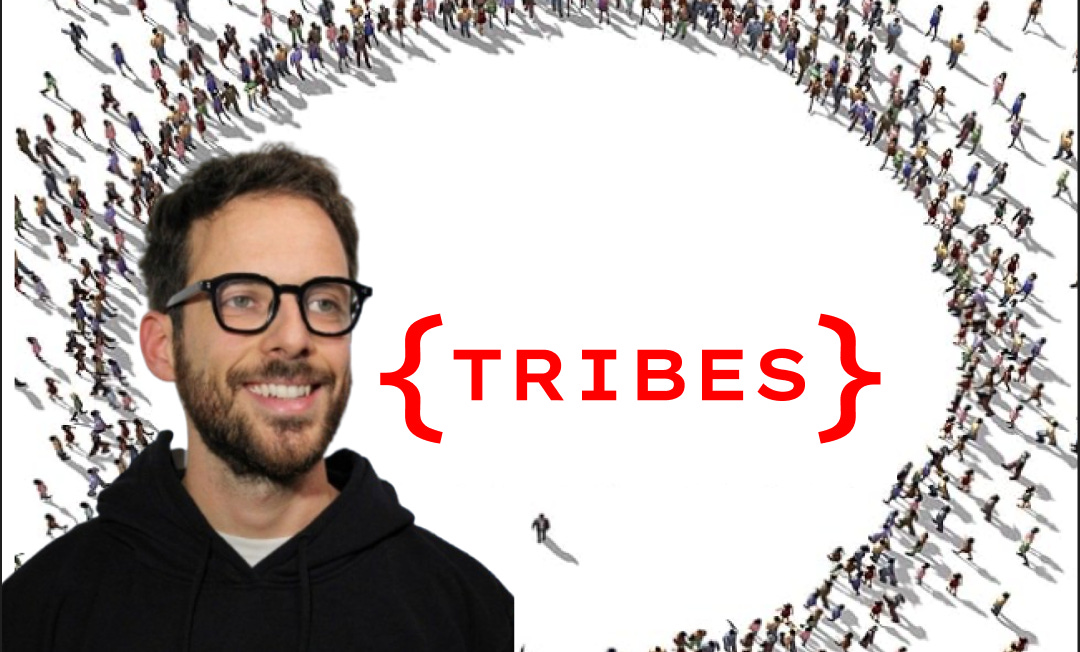
Now, let’s dive deep into today’s topic: Tribes!
Hold tight though, before diving deep make sure to subscribe to my newsletter if you haven’t already 👇
History of Tribes
Tribes in the prehistoric age where the first attempt, from human beings, of organizing themselves in larger group so to (mainly) survive. No technological improvements where there at the time, Moore’s Law was far from being a need, and the main aim was just avoiding being eaten from incredible dynosaurs or 100 teeth made lions.

Nonetheless, Tribes were just the first attempt of building communities so to start solving the main needs at the time, the ones tied to the food chain, the primary ones as Maslow would have said.
And just as Tribes/Communities have been popping up, the concept of Leadership has been following. Differently from now, leaders came up with the crown and the scepter not because of fancy degrees or other, but because of one simple reason: the ability of properly leading their own community in though times.
There’s a theory, known as great men theory, popping up during 19th century and stating the importante of DNA for leaders. It’s not a matter of knowledge and education but, rather, of genetics, and this was actually a thing back in the prehistoric era. Over time, though, we witnessed the growth of science, politics, geography, data analysis creating new form of leaders at different stages, and bringing new lynfa to the tribes’ evolution.
The digital revolution introduced a new hybrid form of leaders, able to lead the path IRL for employees and users by managing cross-channels activations to create their own persona. And this leads us to today’s focus: Tribes in the Digital Age.
Tribes in the Digital Age
“Communities! Communities! Communities!” repeated just like the most famous “Developers! Developers! Developers!”!
Everything on Internet is a community.
Intranet pages are communities.
Marketplace are communities.
Social media are communities.
Blogs are communities.
We are communities.
It’s very important to keep in mind that all the features company built (unless they’re SaaS or very geeky products, and most of the time they look to potential community-driven approaches as well) are always looking at the community built around it.
Users, customers, beta-testers, investors are different niches or different communities within the same environment of a company. And the digital age definitely kicked in with a new form of communities, the digital ones.
Digital communities have their own main rules:
they are accessible everywhere, at the distance of an internet connection;
they are places where to express opinions and gather suggestions;
they are not IRL (ndr: In Real Life), people hide themselves behind an image that maybe different from them;
they are everywhere, and they’re the way more populated than the real life ones
Whilst the past was full of top-down leadership approaches, online communities have changed the game and showed how bottom-up approaches exist. Just think about influencers. None of them was built an influencers, they’ve been grinding their way up and reaching new heights just by leveraging social medias.
Blog and telegram communities find their native leaders in people actively speaking and talking about topics. Do you remember the Game Stop GME 0.00%↑ saga? It was actually created on reddit from a single user, posting every week about the stock’s performances and building a team of people willing to support his thesis. If you don’t know what I’m talking about, I suggest you go see Eat the Rich docuseries on Netflix.
NFT collections and traders have been massively using telegram and discord as places where to create communities. Even the ones raising lot of $$$ in funding have been using just a single community to massively grow.
That makes to the next chapter, is it possible to create a community? Yessir, easier than you can think!
How to build your own community and leverage it
Building a community needs 3 thing:
the right tool;
the right niche;
the right amount of effort
Building a community means not only giving but even getting feedback, attention and many other stuff to keep creating the opportunity.
In terms of tools, you may use:
Discord, if you’re into trading, crypto, gaming, NFTs. It’s a pro tool, not for everyone, but pretty effective for many potential evolution you want to add to the platform;
Telegram, if you need something super handy. Lately, it’s been supporting the creation of groups with multiple channels, pretty interesting;
Whatsapp, and this is for everyone. Very few customizable things but super easy to use and with the wider penetration in the market
On top of that, you may want to check many other tools around but make sure to use the ones that are best fitting to your niche. I would never ever open a reddit page if I’m posting everyday recipes recorded with my phone, right? Maybe, TikTok or Instagram Feeds would be the best choices in here!
Niches and Communities are both intertwined, once you find the right spot, you have to find perseverance right in you. Set back, hard times, people going against you will happen daily. If you have a clear goal in your mind, and a well defined strategy, reaching your goals will be easy peasy lemon squeezy!
Key Takeaways
Building Tribes in the Digital Era is not that easy, but if you want an amazing read so to dive deep into that, I suggest you to read Tribes from S. Godin.
The books goes around many topics like:
Definition of a Tribe: Godin defines a tribe as a group of people connected to one another, connected to a leader, and connected to an idea. Tribes are about leadership and creating a sense of belonging.
Leadership in the Digital Age: The book emphasizes that in the digital age, it's easier than ever to connect with like-minded individuals and lead a tribe. Leaders can now leverage technology to unite people and spread ideas.
Tribes Need Leadership: Leadership is a crucial aspect of forming and leading tribes. Leaders need to have a vision, be willing to take risks, and connect with their followers on an emotional level.
Embrace Change: Godin stresses the importance of embracing change. Leaders must be willing to challenge the status quo and encourage their tribes to adapt to new ideas and innovations.
Creating a Movement: Building a tribe is about creating a movement around a shared purpose or idea. It's not just about selling a product; it's about inspiring and mobilizing people toward a common goal.
Permission and Innovation: Permission marketing is a concept Godin introduces, emphasizing the importance of gaining the trust and permission of your audience rather than relying on traditional advertising. He also encourages innovation within tribes.
Overcoming Fear: Leaders need to overcome the fear of criticism and failure. Taking risks and being willing to make mistakes are essential elements of leading a tribe.
Communication is Key: Effective communication is crucial in building and leading tribes. Leaders must be able to articulate their vision clearly and inspire their followers to take action.
Find and Connect with Your Tribe: Identify the group of people who share a common interest or passion, and work on connecting with them. The internet and social media have made it easier to find and build tribes.
Lead with Purpose: Tribes are most effective when they have a purpose beyond just making money. Leaders should focus on creating positive change and providing value to their tribes.
My personal takeaways from it are 4, and I’ve been applying them everyday with my community, RARE-A-PEOPLE, focused on NFTs and web3:
👉Do the things you love, at a certain point you may have nausea from them. That's where you'll find new lifeblood in looking back and seeing your successes;
👉 Being stubborn on your thinkings is pointless. Asking feedback and iterate stuff over time is the only way to make it;
👉 Always lead by example. If you really want things to happen, go the extra mile. Delegation will come next;
👉 Community is there to help you fix stuff before, during and after your go to market, just listen.
I hope you like this week edition, please do let me know your thoughts and by leaving a comment here! See you in 1 week with the news episode of Janus